
Why Food Businesses Face Unique Insurance Challenges
Food Liability Insurance is specialized coverage that protects businesses from financial losses due to customer injuries, property damage, and product-related claims like food poisoning. It’s essential for restaurants, food trucks, caterers, and anyone selling food to the public. Key coverages include General Liability for on-site accidents, Product Liability for claims from contaminated food, and funds for legal defense and medical payments.
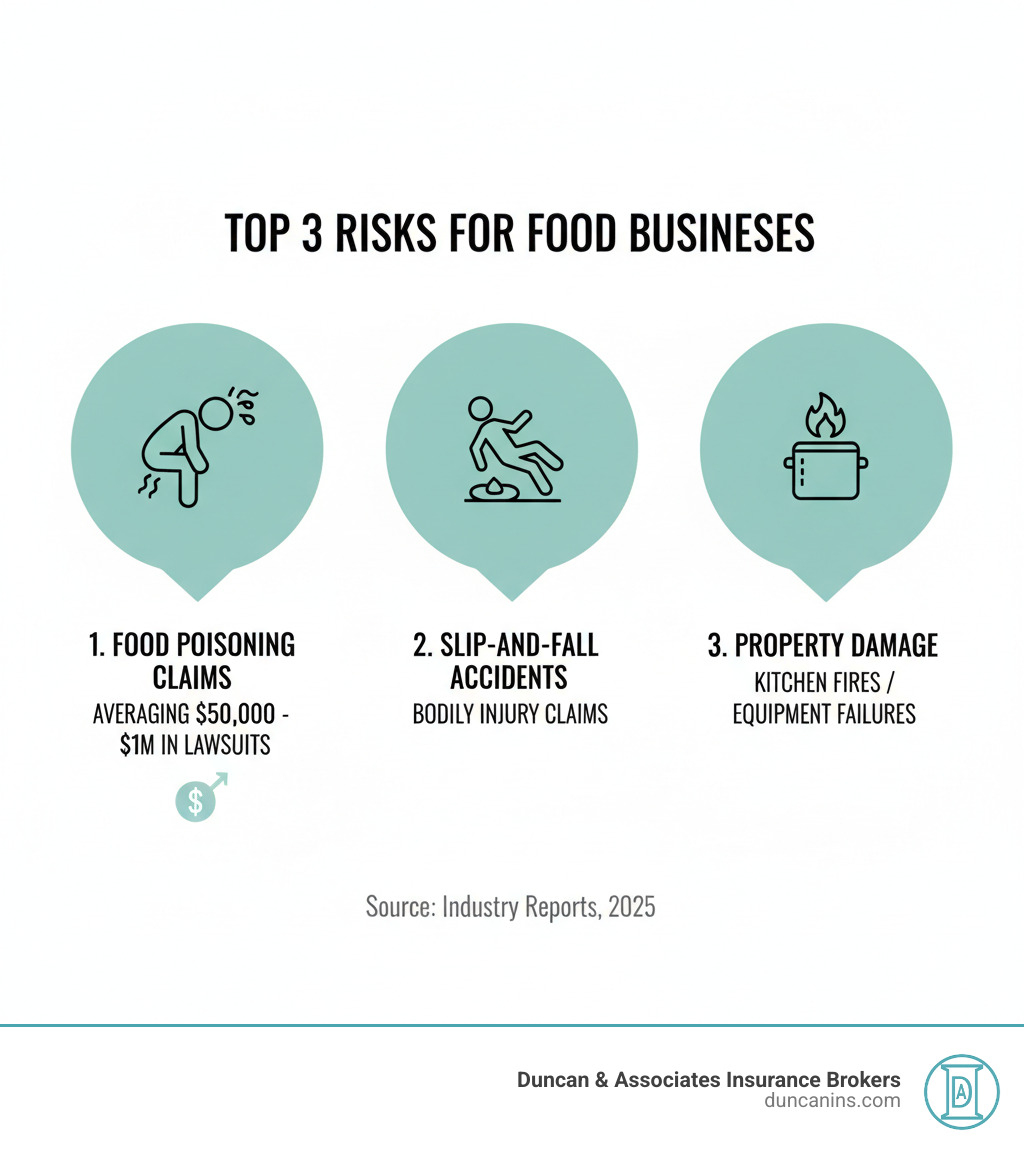
The risks are significant. Foodborne illnesses cost the U.S. $15.6 billion annually, with the average lawsuit ranging from $50,000 to over $1 million. What’s more, 57 percent of all lawsuits against businesses involved small businesses earning less than $1 million annually.
Food businesses face unique threats. A single food poisoning case can lead to multiple lawsuits, a slip-and-fall can mean expensive medical bills, and equipment failure can spoil thousands in inventory. Many owners find too late that their basic insurance doesn’t cover product-related claims, leaving them vulnerable to bankruptcy.
I’m Heidi Duncan of Duncan & Associates Insurance Brokers. I’ve helped countless food business owners steer the complexities of Food Liability Insurance. My experience shows that the right coverage is the difference between a minor setback and a business-ending catastrophe.
Why Every Food Business Needs Liability Protection
Imagine your thriving food truck is hit with a food poisoning lawsuit. Suddenly, everything you’ve worked for is at risk. This isn’t a scare tactic—it’s a reality check on why Food Liability Insurance is absolutely essential.
Every food business, from a home bakery to a busy restaurant, creates products people consume. This creates a level of risk most other businesses don’t face. The financial fallout from an injury or illness claim can be devastating. The average foodborne illness lawsuit costs $50,000 to over $1 million. Even if you’re innocent, the legal defense costs alone can be crushing, and over 70% of small business owners report that a lawsuit hurt their credit and reputation, whether or not they won.
Food Liability Insurance is also a key to opportunity. Farmers markets, corporate clients, and event venues all require proof of insurance. Without it, doors to growth remain closed. This is especially true as the industry expands, with food trucks alone projected for a compound annual growth rate of 6.4% between 2022 and 2030 according to recent market research. More growth means more customer interactions and more potential for claims.
While a large chain might absorb a lawsuit, a single claim can bankrupt a small food business. Food Liability Insurance levels the playing field, allowing you to compete without risking it all.

The Staggering Financial Impact of Food Safety Hazards
When food safety fails, the financial domino effect can be overwhelming. You face immediate lawsuit costs and staggering compensation claims for medical bills and lost wages. A health department investigation can lead to business interruption, shutting you down while costs like rent continue to mount. For manufacturers, recall expenses for pulling products and notifying customers can be ruinous. On top of it all, you may face cleanup costs for decontamination and regulatory fines from health agencies.
How Insurance Benefits Different Food Businesses
Food Liability Insurance is custom to the unique risks of each business type.
- Food trucks need protection from slip-and-fall claims and product liability. General liability coverage typically costs between $300 and $1,300 per year—a small price for peace of mind.
- Caterers work in varied locations, so their liability follows them. They need coverage for incidents at client sites and often require Liquor Liability Insurance if serving alcohol.
- Home-based bakers must know that homeowner’s insurance rarely covers business activities. A dedicated policy is needed to cover product claims and injuries during customer pickups.
- Restaurants require a full spectrum of protection, including Workers Compensation Insurance for employees and Commercial Property Insurance for the building and equipment.
- Food manufacturers operate on a large scale, with risks to match. Their insurance must cover massive recall costs and potentially hundreds of claims from a single incident.
- Personal chefs face liability for allergic reactions or property damage in a client’s home. Professional liability protects against claims related to their services.
The common thread is that every food business has liability exposure that demands specialized insurance protection.
Decoding Your Food Liability Insurance Policy
An insurance policy can seem complex, but understanding its core components is key to protecting your food business. Food Liability Insurance typically combines two crucial protections: General Liability and Product Liability.
Think of General Liability as “premises protection” for what happens at your location, while Product Liability is “food protection” that follows your culinary creations wherever they go.
| Feature | General Liability Insurance | Product Liability Insurance |
|---|---|---|
| Primary Focus | Accidents and injuries that occur on your business premises or due to your general business operations. | Claims arising from the products you manufacture, sell, or distribute, once they have left your control. |
| Common Claims | Customer slips and falls, property damage caused by your business (e.g., spilling coffee on a customer’s laptop), advertising injury. | Food poisoning, allergic reactions, foreign objects in food, inadequate labeling, manufacturing defects in your food product. |
| Where it applies | Your physical location (restaurant, food truck stand), during events you cater, or from your general business activities. | After your food product has been consumed or used by a customer, regardless of where they consumed it. |
| Key Coverage | Bodily Injury, Property Damage, Personal and Advertising Injury, Medical Payments. | Bodily Injury, Property Damage caused by your product. Often includes legal defense costs. |
| Typical Scenario | A customer trips over a loose rug in your bakery. | A customer gets food poisoning from a sandwich bought at your deli. |
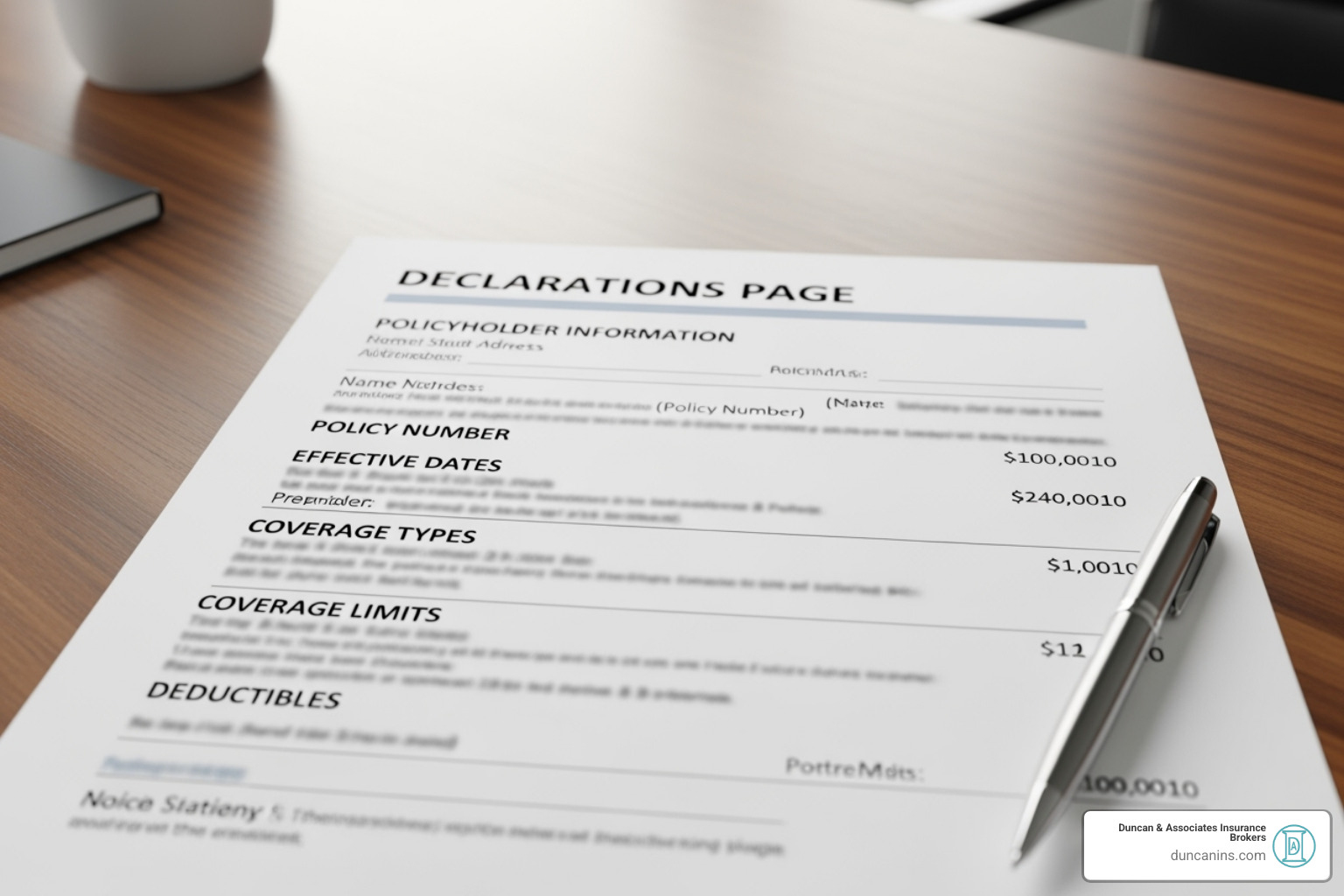
Your policy also specifies coverage limits (the max your insurer will pay) and deductibles (what you pay first). These numbers are critical for understanding your financial responsibility in a claim.
Key Coverages for Food Businesses
- Product Liability: This is the heart of your protection, covering claims that your food caused harm. This includes food poisoning, allergic reactions, foreign objects in food, and issues with inadequate warnings or labeling.
- General Liability Insurance: This covers everyday mishaps. It handles bodily injury claims like a customer slip-and-fall, property damage like spilling a drink on a laptop, and even personal and advertising injury if a competitor claims you copied their menu.
- Liquor Liability Insurance: This is critical if you serve alcohol. It protects you if an intoxicated patron causes injury or damage after leaving your establishment.
Common Exclusions in a Food Liability Insurance Policy
Your policy won’t cover everything. Exclusions exist because other, more specific insurance types are designed for these risks:
- Intentional misconduct is never covered.
- Employee injuries are handled by Workers Compensation Insurance.
- Commercial vehicle accidents require a separate commercial auto policy.
- Damage to your own property (equipment, inventory, building) is covered by Commercial Property Insurance.
Understanding Your Food Liability Insurance Options
Working with an independent agency like Duncan & Associates allows you to build custom coverage.
- A Business Owners Insurance (BOP) is a great value, bundling general liability and commercial property insurance into one package.
- Specialized food insurance programs offer custom coverage with industry-specific options.
- A la carte coverage provides maximum flexibility by selecting individual policies and endorsements.
- Commercial Umbrella Insurance adds an extra layer of liability protection for catastrophic claims.
We help you steer these options to find the right fit for your business and budget.
Calculating the Cost & Choosing Your Provider
One of the first questions food business owners ask is, “What’s this going to cost me?” While every business is different, Food Liability Insurance is often more affordable than you might think.
Many food trucks, caterers, and bakers can expect to pay between $300 and $1,300 per year for general liability coverage. That’s less than $4 a day for many businesses—a small investment to protect against a lawsuit that could cost hundreds of thousands.
More comprehensive packages will cost more, but they provide critical protection. We can help you get an instant quote custom to your specific operation, so you see real numbers, not generic estimates.
Factors That Influence Your Insurance Premium
Several factors combine to determine your final premium:
- Business type: A food manufacturer faces different risks than a personal chef, and premiums reflect this.
- Annual revenue: Higher revenue often means more customer interactions and greater exposure.
- Location: Premiums vary by state and even between urban and rural areas due to different legal environments. For example, California doesn’t have a cap on liability suit rewards, which can increase rates.
- Number of employees: More staff can increase liability exposure and workers’ compensation costs.
- Coverage choices: Higher limits increase premiums, while higher deductibles can lower them.
- Claims history: A clean record helps keep costs down.
- Product risk level: Products with higher contamination risks, like seafood or dairy, typically carry higher premiums.
Key Considerations When Choosing an Insurance Provider
Choosing a provider is like picking a business partner. You need someone in your corner during a crisis.
- Financial stability: Ensure the company has strong financial ratings and the ability to pay future claims.
- Industry experience: Agents specializing in the food industry understand your unique challenges. At Duncan & Associates, this is our expertise.
- Coverage options: Your provider should be able to adapt your policy as your business grows and changes.
- Customer service & Claims process: Look for responsive support and a reputation for handling claims fairly and efficiently.
This is where an independent agent like Duncan & Associates provides a major advantage. A direct carrier only sells its own products. As an independent agency, we partner with multiple insurance companies to shop around on your behalf. We compare quotes and coverages to find the best value for you. We are your advocate, focused on making insurance easy and hassle-free with expert, client-first service.
Frequently Asked Questions about Food Liability Insurance
Here are answers to the most common questions I receive from food business owners about protecting their operations.
What type of insurance covers food poisoning claims?
Product Liability Insurance is your primary defense. It’s designed specifically for claims arising from the food you sell. This coverage handles bodily injury claims, paying for a customer’s medical bills and lost wages. It also covers your legal defense costs, including attorney fees and court expenses, regardless of the lawsuit’s outcome.
Some policies also include medical payments coverage, which can quickly cover initial medical expenses for smaller incidents, sometimes preventing a larger lawsuit.
How does general liability insurance protect restaurants and food carts?
General Liability Insurance is your safety net for everyday accidents involving third parties (non-employees). It protects you from:
- Slips and falls: If a customer trips on an uneven sidewalk near your food cart or slips on a wet floor in your restaurant.
- Customer property damage: If a server spills a drink on a customer’s laptop or an awning tears someone’s jacket.
- Premises liability: This covers any injury or damage that occurs on property you own, rent, or use for business.
It’s the essential coverage for the unexpected accidents that are part of doing business with the public.
Does business insurance cover food spoilage?
Standard liability policies typically do not cover food spoilage. For this, you need spoilage coverage, which is usually available as an add-on to your Commercial Property Insurance policy.
This vital protection reimburses you for perishable inventory lost due to:
- Equipment breakdown: Such as a walk-in cooler or freezer system failing.
- Power outages: When a storm or grid failure knocks out electricity for an extended period.
Given how much money is tied up in perishable inventory, spoilage coverage is a smart investment to protect your business from thousands of dollars in losses from a single incident.
Conclusion
Running a food business requires passion, skill, and the right ingredients. But just as you wouldn’t serve an untested dish, you shouldn’t operate without the protection of Food Liability Insurance.
We’ve seen how a single incident—a customer’s allergic reaction, a slip on a wet floor, or a food poisoning claim—can threaten years of hard work. With lawsuits potentially costing over $1 million, the risks are too significant to ignore. Food Liability Insurance isn’t just for disasters; it’s for protecting the everyday moments that make your business vulnerable.
At Duncan & Associates Insurance Brokers, we understand that every food business is unique. A restaurant’s needs differ from a food truck’s, and a caterer’s risks are different from a home baker’s. That’s why custom coverage is our specialty. We’ve seen too many entrepreneurs learn about insurance gaps the hard way—like the catering company that found their home insurance didn’t cover their business. That story doesn’t have to be yours.
Our mission is to make insurance easy and 100% hassle-free. As an independent agency, we provide choice and expert, client-first service, working with multiple carriers to find the best combination of coverage and cost for you. Your culinary passion deserves protection. Let our expertise guide you toward proactive coverage that shields your success.
Ready to safeguard your food business? Find the right Business Insurance for your needs today and serve your community with complete peace of mind.
