
Understanding Mobile Home Insurance Costs: Your Essential Guide
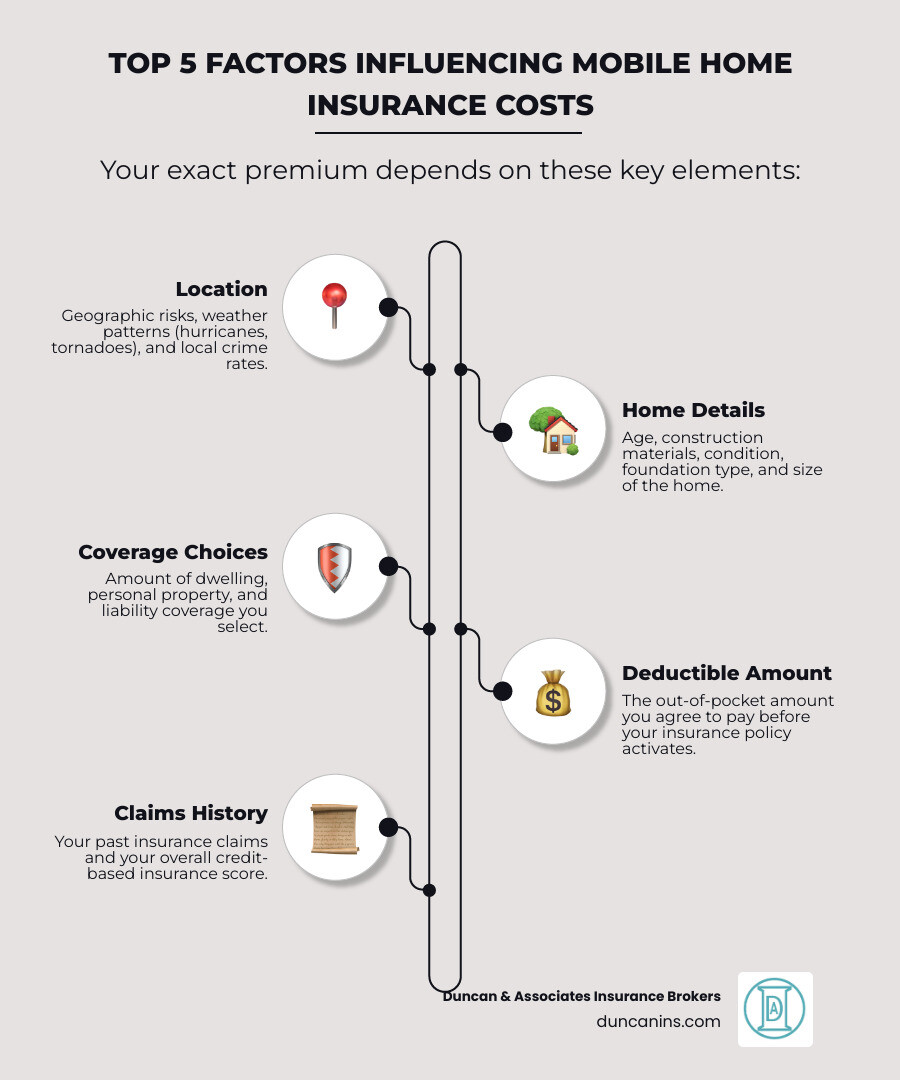
The average cost to insure a mobile home typically ranges from $700 to $1,500 per year, or roughly $60 to $125 per month. However, your exact premium depends on several key factors:
- Location: Where your mobile home is located.
- Home Details: Its age, condition, and construction.
- Coverage Choices: How much protection you choose.
- Deductible: The amount you pay before insurance kicks in.
- Claims History: Your past insurance claims.
If you’re wondering how much to insure a mobile home, you’re not alone. Mobile homes, also known as manufactured homes, offer a great lifestyle. But like any home, they need proper protection. Insurance can seem complicated, and finding the right policy feels overwhelming. This guide will help you understand the costs, what affects them, and how to get the best coverage without the headache.
As Heidi Duncan, owner and principal of Duncan & Associates Insurance Brokers, I’ve spent years simplifying insurance for clients, ensuring they understand how much to insure a mobile home and find the right fit. My team and I are dedicated to providing clear guidance and trustworthy support, helping you protect what matters most.
Know your how much to insure a mobile home terms:
- what does insurance cover on a mobile home
- mobile home dwelling coverage
- personal property coverage for a mobile home
The Average Cost: How Much to Insure a Mobile Home?
When we talk about how much to insure a mobile home, the first thing most people want to know is the average cost. Our research shows that the average annual cost for mobile home insurance in the US is around $900, which works out to about $75 per month. However, this is just a starting point. Premiums can actually range anywhere from $500 to $2,000 per year, or roughly $40 to $165 per month. The national average mobile home insurance cost often falls between $700 and $1,500 annually.
This range highlights that while mobile home insurance is generally more affordable than traditional homeowners insurance, the exact premium you pay can vary significantly. Factors like your home’s unique characteristics, your chosen coverage, and where you live all play a crucial role in determining your final rate.

Understanding the Numbers
Let’s dive a little deeper into those numbers. While the national average hovers around $75 per month, we often see premiums range from $75 to $125 monthly. Why such a difference? Location is a huge factor. For example, the average manufactured home insurance cost in Florida is $112 a month, or $1,350 a year. This is significantly higher than what you might pay in a state with fewer natural disaster risks, like some areas in the Midwest.
These state-specific examples illustrate why averages are just a starting point. A mobile home in a coastal region, susceptible to hurricanes, will naturally have a higher premium than a similar home in a less volatile climate. Insurers assess risk based on geographical data, and areas prone to severe weather, high crime rates, or limited access to emergency services will see higher costs. This doesn’t mean mobile home insurance is unaffordable, but it does mean we need to look beyond the average to understand your specific situation.
Mobile Home vs. Traditional Home Insurance Costs
It’s natural to compare mobile home insurance to traditional homeowners insurance. Generally, mobile home insurance tends to be less expensive than traditional homeowners insurance. The average annual cost for traditional homeowners insurance is typically around $1,200 to $1,500+, while mobile home insurance often falls into the $700 to $1,500 range per year. This difference largely stems from the fact that mobile homes usually have a lower replacement value than site-built homes.

However, there’s a flip side. Mobile homes can sometimes be considered higher risk per square foot due to their lighter construction and greater vulnerability to certain perils, especially windstorms. Because they are often not attached to a permanent foundation, they can be more susceptible to strong winds, leading to a higher likelihood of damage. This unique vulnerability means that while the overall premium might be lower, the risk assessment process is distinct. Our policies are specifically designed to address these unique characteristics, ensuring you have custom protection.
Key Factors That Determine Your Mobile Home Insurance Premium
Understanding how much to insure a mobile home means understanding what goes into calculating that premium. Insurers use a complex underwriting process to assess risk and determine your rate. It’s not just a random number; it’s a careful calculation based on numerous factors unique to your home and its environment.
Location, Location, Location: How Geography Affects Your Rate
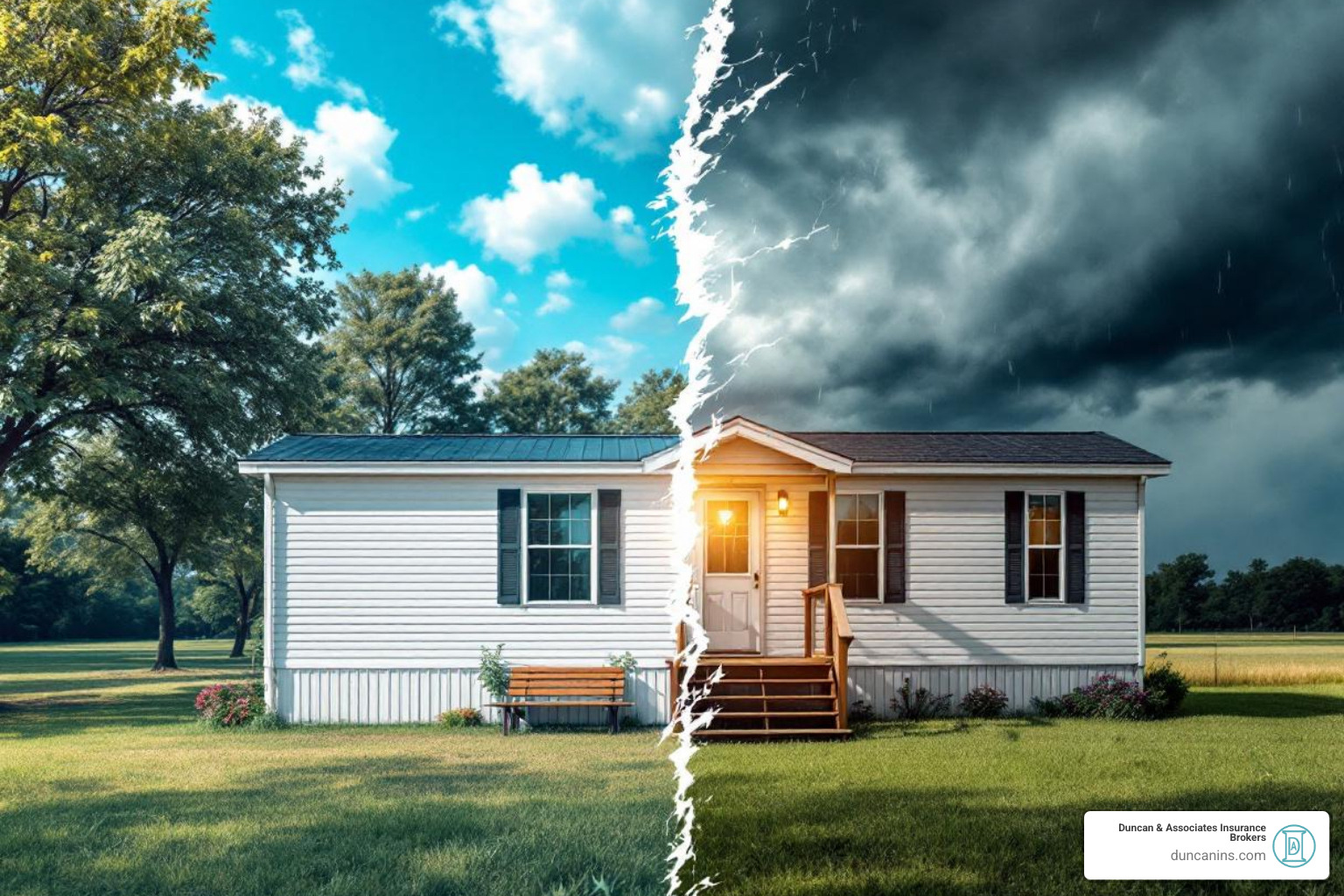
We’ve touched on it already, but location is paramount in determining your mobile home insurance cost. Think about it: a mobile home in Florida faces hurricane season, while one in Oklahoma might contend with tornadoes, and homes in California could be at risk from wildfires. Each of these weather risks translates to a higher potential for claims, and thus, higher premiums.
Beyond natural disasters, local factors matter too. Your proximity to fire hydrants and fire stations can influence your rates, as faster emergency response times reduce potential damage. Similarly, local crime rates play a role; homes in areas with higher vandalism or theft statistics will likely incur higher insurance costs. State-specific regulations and requirements can also impact costs, as some states have stricter building codes or insurance mandates that affect pricing.
Your Home’s Profile: Age, Value, and Construction
The characteristics of your mobile home itself are crucial for determining how much to insure a mobile home.
- Age of Home: This is a significant differentiator. Mobile homes built before June 15, 1976, are often referred to simply as “mobile homes,” and they can be more difficult and expensive to insure. This is because they were built before the federal HUD Code (Manufactured Home Construction and Safety Standards) came into effect. Homes built after this date are “manufactured homes” and adhere to stricter safety and construction standards, making them generally easier and more affordable to insure.
- Construction Materials and Condition: The quality of construction materials, the overall condition of your home, and whether it has been well-maintained all factor in. Outdated systems (electrical, plumbing) or a lack of proper tie-downs can increase risk and, consequently, your premium.
- Foundation Type: Whether your mobile home is on a permanent foundation versus remaining on its wheels can impact insurability and cost. A permanent foundation generally signifies a lower risk.
- Safety Features: Installing safety devices like smoke detectors, carbon monoxide detectors, burglar alarms, and even deadbolts can sometimes qualify you for discounts, reducing your premium.
- Size: The size and type of your mobile home, whether it’s a single-wide, double-wide, or multi-section home, will affect its replacement value and thus your insurance cost.
Your Coverage Choices and Personal Profile
Beyond the home itself, your personal choices and history also influence how much to insure a mobile home.
- Coverage Limits: The amount of coverage you select for your dwelling, personal property, and liability will directly impact your premium. More coverage means a higher premium, but also greater financial protection.
- Deductible Amount: This is the amount you agree to pay out-of-pocket before your insurance coverage kicks in. Choosing a higher deductible typically lowers your premium, but means you’ll pay more upfront if you file a claim. We can help you find a balance that suits your budget and risk tolerance.
- Claims History: Your past record of filing insurance claims is a strong indicator of future risk for insurers. A history of multiple claims can lead to higher rates, as insurers see you as a higher risk.
- Credit-Based Insurance Score: In many states, insurers use a credit-based insurance score as one factor in determining premiums. Generally, a better score can lead to lower rates.
Let’s look at a critical coverage choice:
| Feature | Replacement Cost Value (RCV) | Actual Cash Value (ACV) |
|---|---|---|
| Definition | Pays to replace damaged property with new items at current prices. | Pays to replace damaged property minus depreciation (wear and tear). |
| Payout | Higher payout, covers full cost of new replacement. | Lower payout, reflects depreciated value. |
| Premium | Higher premium. | Lower premium. |
| Benefit | Allows you to fully replace items without out-of-pocket costs. | More affordable upfront, but you’ll pay more out of pocket for new items. |
| Recommendation | We almost always recommend RCV for better financial protection. | Often the default for older mobile homes or if RCV isn’t available. |
Understanding Your Mobile Home Insurance Policy
Navigating an insurance policy can feel like reading a foreign language. But understanding the structure of your mobile home insurance policy is key to knowing what you’re truly covered for. Mobile home policies are often “policies of inclusion,” meaning they only cover perils specifically listed in the policy. This is why it’s so important to review your policy carefully with us.
What a Standard Policy Typically Covers
A standard mobile home insurance policy is designed to protect your significant investment. While specifics can vary, most policies include these core coverages:
- Dwelling Coverage: This is the heart of your policy, protecting the physical structure of your mobile home, including its attached decks, roof, walls, and foundation (if applicable). It helps repair or rebuild your home if it’s damaged by covered perils like fire, wind, lightning, or vandalism.
- Personal Property Coverage: This protects your belongings inside the home, such as furniture, appliances, clothing, electronics, and household tools, up to a specified limit. If your laptop is stolen or your couch is damaged in a fire, this coverage helps reimburse you.
- Personal Liability Protection: This is crucial coverage if someone is injured on your property or if you accidentally cause damage to someone else’s property, whether on or off your premises. It covers legal expenses, medical bills, and settlement costs up to your policy limits. For example, if a visitor trips on your steps and is injured, your liability coverage would respond.
- Additional Living Expenses (ALE): Also known as “Loss of Use,” this coverage pays for temporary housing, meals, and other increased living costs if your mobile home becomes uninhabitable due to a covered loss. Imagine a fire forcing you out of your home; ALE would cover your hotel stay and extra food expenses.
- Other Structures Coverage: This protects detached structures on your property, such as sheds, carports, detached garages, or fences, from covered perils.
- Guest Medical Payments: This coverage pays for medical expenses if a guest is injured on your property, regardless of who is at fault. It’s a goodwill coverage that can help avoid liability claims.
Common Optional Coverages (Endorsements)
Sometimes, standard coverage isn’t enough, and you might need additional protection for specific risks or valuable items. These are called endorsements or riders:
- Trip Collision Coverage: If your manufactured home needs to be moved, this coverage protects it against damage from a collision while in transit. This is particularly relevant for mobile homes and is usually valid for one move during a specific 30-day period.
- Water Backup: Standard policies often exclude damage caused by water backing up through sewers or drains. This endorsement adds coverage for such incidents.
- Equipment Breakdown: This can cover the repair or replacement of major home appliances and systems (like HVAC, water heaters) if they break down due to a covered peril.
- Identity Theft Protection: This endorsement can help cover expenses related to recovering from identity theft, such as legal fees or lost wages.
- Scheduled Personal Property: For expensive items like jewelry, artwork, or collectibles that exceed standard personal property limits, we can “schedule” them individually on your policy. This provides higher, item-specific coverage.
What’s Typically NOT Covered?
Just as important as knowing what is covered is understanding what isn’t. Standard mobile home insurance policies typically exclude:
- Flooding: This is a major exclusion. Damage from floods is generally not covered by standard policies and requires a separate flood insurance policy. If you live in a flood-prone area, we highly recommend securing this vital protection. You can often get flood insurance for your mobile home through the National Flood Insurance Program.
- Earthquakes: Similar to floods, earthquake damage is usually excluded and requires a separate earthquake insurance policy or endorsement, especially if you live in a seismically active region.
- Wear and Tear: Insurance is for sudden, accidental damage. Routine maintenance issues, gradual deterioration, or damage from neglect are not covered.
- Pest or Animal Damage: Damage caused by insects, rodents, or other animals is typically excluded.
- Business Operations: If you run a business out of your mobile home, your standard policy may not cover business-related losses or liability. You may need a separate home-based business endorsement or commercial policy.
- Homes on Wheels: If your mobile home is designed to be frequently transported and is not permanently affixed, it might be classified as a recreational vehicle (RV) and require an RV policy rather than mobile home insurance.
How to Get the Best Rate on Your Mobile Home Insurance
We understand that you want to protect your home without breaking the bank. The good news is there are several actionable steps you can take to potentially lower how much to insure a mobile home. Smart shopping and proactive maintenance are your best friends here.
Smart Ways to Lower Your Premiums
Here are our top 5 ways to save money on mobile home insurance:
- Bundling Policies: One of the easiest ways to save is by bundling your mobile home insurance with other policies, such as auto insurance. Many insurers offer a multi-policy discount, sometimes saving you 10-25% on your premiums.
- Increasing Your Deductible: As mentioned earlier, choosing a higher deductible means you’ll pay a lower annual premium. Just make sure you can comfortably afford the deductible amount in case of a claim.
- Installing Safety Devices: Outfitting your home with protective devices like monitored alarm systems, fire sprinklers, smoke detectors, and water leak detectors can reduce your risk in the eyes of insurers and earn you discounts.
- Maintaining Your Home: A well-maintained home is a safer home. Proactive maintenance, such as securing tie-downs, ensuring proper skirting, and keeping your property tidy, can prevent claims and demonstrate responsibility, potentially leading to better rates.
- Paying Your Premium Annually: If you can afford it, paying your entire annual premium upfront often eliminates administrative fees and can result in a small discount compared to monthly payments.
Finding the Right Insurer and Policy
Finding the right mobile home insurance involves more than just looking for the cheapest price. It’s about finding the right balance of coverage, cost, and a reliable insurer.
- Shopping Around and Comparing Quotes: Don’t settle for the first quote you receive. We strongly recommend shopping around and comparing quotes from multiple insurers. This is where we, as independent agents, really shine. We work with various reputable companies that offer mobile home insurance, allowing us to compare options and find the best fit for you.
- The Role of an Independent Agent: Unlike captive agents who work for a single company, we represent you. Our goal is to make insurance easy and 100% hassle-free. We have access to a wide range of policies and can explain the nuances of each, helping you steer the complexities of mobile home insurance. Our expert, client-first service ensures you get the coverage you need at a competitive price.
- Reviewing Your Policy Regularly: Your home and life change, and so should your insurance. We encourage you to review your policy with us annually to ensure your coverage still meets your needs and to explore any new discounts or options that might be available.
Working with Duncan & Associates Insurance Brokers means you have an advocate in your corner, ensuring you get expert guidance and a policy that truly protects your mobile home.
Frequently Asked Questions about Mobile Home Insurance
We get a lot of questions about insuring mobile homes, and we’re always happy to provide clarity. Here are some of the most common inquiries we receive:
How does mobile home insurance differ from traditional homeowners insurance?
While both aim to protect your home, mobile home insurance is a specialized product due to key differences:
- Construction Differences: Mobile and manufactured homes are factory-built and constructed differently than traditional site-built homes. This lighter construction can make them more vulnerable to certain perils.
- Unique Risks: Mobile homes often have unique risks, such as greater susceptibility to wind damage because they may not be attached to a permanent foundation. This requires specialized coverage.
- Policy Forms: Mobile home insurance typically uses an HO-7 policy form, which is specifically designed for manufactured homes, whereas traditional homeowners insurance uses an HO-3 or HO-5 form.
- Insurer Availability: Not all insurance companies offer mobile home insurance. Some general insurers may not write policies for them, especially older models or those in high-risk areas. This is why working with an independent agent like us, who knows the specialized market, is so beneficial.
Are there specific requirements for a mobile home to qualify for insurance?
Yes, insurers often have specific criteria:
- HUD Standards: For manufactured homes (built after June 15, 1976), compliance with federal HUD Code standards is usually a baseline requirement.
- Permanent Foundation: While not always strictly a “permanent” foundation in the traditional sense, insurers often require the home to be properly anchored or skirted, and intended to stay in one place.
- Anchoring Requirements: Homes must be properly tied down according to safety regulations, especially in wind-prone areas.
- Electrical and Plumbing Updates: For older homes, insurers may require updates to outdated electrical, plumbing, or heating systems to meet current safety codes.
- Intended for Full-Time Living: Most mobile home policies are for homes used as a primary residence. Seasonal or rental properties may have different requirements or need specific endorsements.
How much to insure a mobile home that is older?
Insuring an older mobile home, especially one built before June 15, 1976 (pre-HUD Code), can present unique challenges and often results in higher premiums.
- Pre-1976 Challenges: These homes were built without the federal construction and safety standards that later manufactured homes adhere to. This means they may have outdated materials, systems, and less robust construction, making them a higher risk for insurers.
- Higher Premiums: Due to the increased risk, premiums for older mobile homes are generally higher.
- Limited Coverage Options: Insurers may offer more limited coverage options for older homes. For instance, replacement cost coverage might not be available, and you might only be able to secure Actual Cash Value (ACV) coverage, which accounts for depreciation.
- Required Inspections: To assess the risk accurately, insurers will often require a thorough inspection of older mobile homes to check their structural integrity, electrical, plumbing, and heating systems.
If you own an older mobile home, don’t despair! While it can be more challenging, coverage is still available. Working with an independent agent is particularly vital in this situation, as we can help identify specialized insurers willing to underwrite older mobile homes and guide you through any necessary inspection processes.
Conclusion
Understanding how much to insure a mobile home involves more than just a single number; it’s about appreciating the unique factors that influence your premium and the comprehensive coverage designed specifically for your home. From its location and age to your chosen coverage limits and personal claims history, every detail plays a part.
We hope this guide has empowered you with the knowledge to make informed decisions about protecting your mobile home. At Duncan & Associates Insurance Brokers, we believe in making insurance simple and hassle-free. We’re here to provide choice and expert, client-first service, ensuring your mobile home and your peace of mind are well-protected.
Ready to protect your investment with a policy custom just for you? Let us help you steer the options. Get a personalized mobile home insurance quote and make protecting your home easy.
